
Why Branded Work Vehicles Look Dirtier Faster Than Unmarked Vehicles
Trash Titans Plus ·
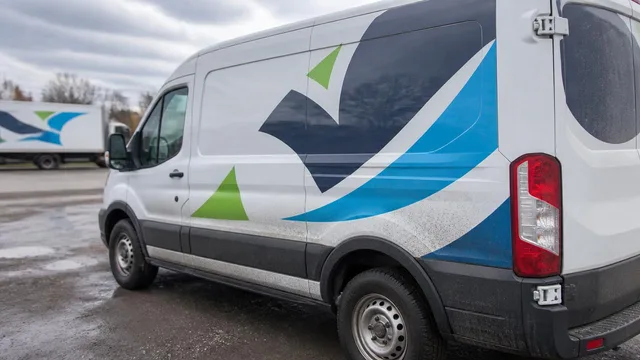
A plain work truck can be dusty and still look ordinary. Put a bright logo, large phone number, and clean brand colors on the same vehicle and the dirt becomes easier to notice.
That is not because graphics attract more grime. It is because branding gives the eye a clean reference point.
Contrast makes film more visible
A dark logo on a white van creates sharp visual edges. Road film softens those edges. Dust on a glossy panel changes the way light reflects. Streaks crossing a bright color block stand out.
The same amount of dirt on an unmarked gray vehicle may blend into the surface.
This is one reason branded fleets can feel dirty sooner even when the operating conditions are identical.
The vehicle is part of the company presentation
A service vehicle shows up at homes, businesses, parking lots, and jobsites with the company name on the side.
It does not need to look like a show vehicle. It is supposed to work.
But when the fleet is part of the brand, consistent appearance matters more than it would on an anonymous personal truck.
The fleet washing page is focused on that work-truck use case.
Rear doors and lower panels can hurt the look first
Customers do not only see the driver's door.
A van parked in a driveway may present its rear doors to the street. A box truck may show a large side panel. Lower areas around wheels can create a dark band under otherwise bright graphics.
If the goal is presentation, define which views matter most.
That helps the washing scope match how the vehicles are actually seen.
Mixed branding ages differently
A fleet may include new wraps, older vinyl lettering, factory paint, and replacement vehicles with slightly different graphics.
Those differences can become more obvious after cleaning.
If a wrap is already lifting or cracked, note that before the job. Cleaning should not be blamed for a condition that already existed, and nobody should promise to restore damaged graphics by washing them.
Consistency matters more than perfection
A fleet of eight working vans will not stay perfectly clean through rain, winter roads, and daily service calls.
The realistic goal is to avoid one or two units looking neglected beside the rest.
That can mean washing based on condition rather than an arbitrary rule.
If the company has a busy week on muddy jobsites, the fleet may need attention sooner. During a dry stretch, the same interval may be unnecessary.
The fleet details that matter
Count the vehicles by type, give the location, note the normal availability window, and mention the graphics.
If one group is significantly dirtier, say so.
The quote form can handle a short description. You do not need to upload a full asset list.
For basic questions about what counts as a work-truck fleet and how location is handled, the FAQ is a useful starting point.
A branded work vehicle earns dirt because it works. The reason cleaning matters is not that the truck should look untouched. It is that the vehicle carries the company's name into public view every day, and the dirt sits right beside the message the business paid to display.
Jobsite dirt and road film do not arrive the same way
A vehicle used mainly for highway travel can develop a broad road film. A truck that spends time around construction sites may pick up heavier lower-body dirt, dust, or mud. A service van in city traffic may show grime around the rear doors and lower panels first.
The company logo does not care where the dirt came from. It only makes the contrast visible.
That is another reason a fleet should be judged by actual use instead of a one-size schedule.
Why the fleet photo matters
Businesses often photograph vehicles for websites, social posts, hiring materials, or sales pages. Dirt that is easy to ignore in person can be obvious in a still image because the camera freezes the contrast.
If a company knows a photo day, event, or major customer visit is coming, it may decide appearance matters more that week.
That is a business decision, not a rule that every fleet needs constant washing.
What about the inside of the vehicle?
The focus here is exterior presentation.
The work-truck fleet service should not be assumed to include interior detailing, cab cleaning, tool organization, or other work unless the quote specifically confirms it.
Keeping that boundary clear avoids turning an exterior fleet request into a completely different service.
When does washing become worth it?
When the vehicles look noticeably inconsistent, when branded surfaces are hard to read cleanly, or when accumulated film is bothering the business enough to act.
There is no benefit in creating an artificial urgency.
Work vehicles get dirty. The question is whether the current appearance still fits how the company wants to present itself.
Back to BlogFleet and work vehicles