
Maggots in a Trash Can: What Starts the Cycle and What Helps Prevent It
Trash Titans Plus ·
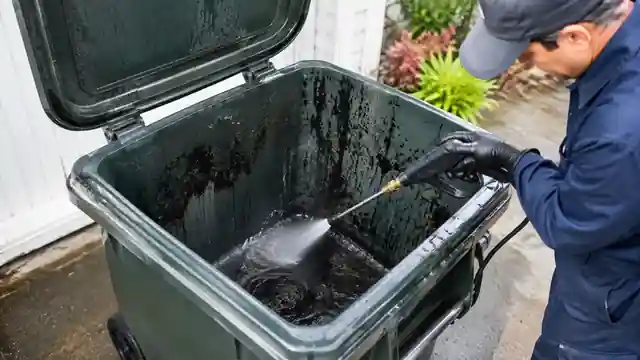
Seeing larvae in a trash can is unpleasant, but the basic reason they appear is not mysterious. Flies look for damp organic material where their young can feed. A warm trash cart with food residue, moisture, and enough undisturbed time can provide those conditions.
That does not mean the home has a pest-control problem, and trash can cleaning is not pest control. It means the container has the ingredients flies are looking for.
The cycle starts before the larvae are visible
Adult flies are the beginning of the process. They are attracted to decaying organic material and may lay eggs on or near it. Those eggs hatch into larvae. By the time someone notices movement inside the cart, the process has already been underway for a while. University of Minnesota Extension guidance on flies describes the same basic pattern of breeding material and timing.
Warm weather speeds it up. That is why the same household can use a cart all winter without seeing a problem and then notice one during a hot stretch.
Collection timing matters too. A bag that leaks the day after pickup can leave food residue in the cart for almost a full week. If the weather is warm, that is a long window.
Moisture gives residue staying power
Dry crumbs are one thing. Damp food residue is another.
Liquid from food packaging, a leaking bag, rain entering through an open lid, or moisture from yard debris can collect in the bottom of the cart. Molded ribs and corners can hold small amounts after the cart has been emptied.
That moisture keeps organic material from drying quickly. It also makes the odor stronger, which can attract more attention from flies.
The connection between residue and odor is covered in more detail in why a trash can can smell after pickup. The service itself is explained on the trash can cleaning page.
What can a household change?
The most useful steps are simple because they focus on the conditions rather than the insects.
Tie wet trash bags securely. Drain liquids from disposable food containers when practical. Wrap or bag food scraps instead of placing them loose in the cart. Keep the lid closed. Avoid filling the cart so high that the lid cannot shut.
If the cart sits in direct sun and there is another practical storage spot, shade can help keep the container cooler.
Fresh spills are easier to deal with than residue that has dried in place for days. If a bag leaks, rinsing the spill and allowing the cart to dry can reduce what remains for the rest of the week.
None of those steps is a guarantee that flies will never appear. They simply remove or reduce the conditions flies use.
What if the problem is active right now?
If you are dealing with an active insect problem, remember the line between cleaning and pest control.
Trash Titans Plus does not present cart cleaning as extermination, pesticide treatment, or a health service. If the situation requires pest-control advice, that is a separate trade.
For the cart itself, the practical focus is removing the waste, cleaning up residue, reducing moisture, and keeping new food material contained.
Do not start mixing cleaners, bleach, acids, or other household chemicals because you want a stronger reaction. Chemical combinations can create hazards that are worse than the original mess.
Why cleaning the visible wall may not be enough
The broad interior walls are the easiest part of a cart to see. The hidden areas are where residue can stay.
Look under the rim. Look at the lid channel and hinge area. Look at the bottom grooves and corners. A cart can seem clean when viewed from above while still holding material in those protected areas.
This is one reason a quick spray can improve the appearance without fully addressing the source of the smell.
When should you ask about professional cart cleaning?
If the trash is gone but the container still smells, if a leak has left residue in areas that are difficult to reach, or if you simply want the cart cleaned without turning it into a weekend project, you can ask about the job.
Send the number of carts, your city or ZIP code, and the condition you want addressed. You do not need to describe the insect life cycle or choose a chemical process.
Use the quote form to explain what is happening in normal language.
The goal is straightforward. Remove the material that does not belong in the container, reduce the moisture that helps it linger, and make the cart easier to live with between collection days.
Back to BlogTrash cans and carts