
How Often Should a Trash Can Be Cleaned? Start With These Five Factors
Trash Titans Plus ·
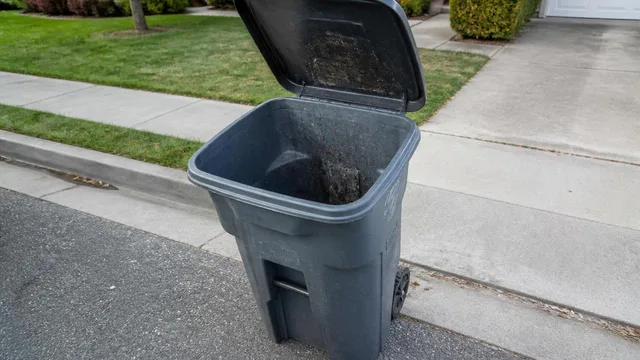
There is no honest universal answer to “How often should a trash can be cleaned?” One household may have almost no leakage for weeks. Another may have one bad bag turn the bottom of the cart into a mess overnight.
A better answer comes from five factors.
1. What goes into the cart?
Food waste, wet packaging, yard material, and leaking bags create more residue than dry, tightly contained trash.
If the household regularly disposes of wet material, the cart may need attention sooner.
2. Does the cart smell after collection?
Collection day gives you a useful test.
If the bags are gone and the container still smells, the odor is probably coming from residue left in the cart rather than the trash that was removed.
That is a good reason to look more closely.
The trash can cleaning page explains what information to send when you want a quote.
3. What is the weather doing?
Warm conditions can make organic residue more noticeable.
A cart that seems fine through winter may become unpleasant during a hot week even though the household habits did not change.
Direct sun can make the container warmer too.
4. Are there repeated leaks or spills?
One fresh spill is easier to deal with than layers of old residue.
If bags leak often, waiting for a fixed calendar date may make less sense than cleaning based on condition.
Deal with fresh messes early when practical.
5. How hard is the cart to live with?
This is the most personal factor.
Some people are bothered by a mild odor. Others only care when residue is visible. A cart stored beside a garage door may be noticed more often than one kept farther from the house.
Cleaning frequency should solve a real problem for the household, not satisfy an invented rule.
So what schedule should you use?
Start with condition.
Check the cart after pickup. Look at the bottom, corners, rim, and lid area. If it looks and smells fine, there is no reason to create urgency.
If residue is building, a bag leaked, or the odor remains after the trash is gone, clean it or ask about service.
If you want to know what options are currently available, use the quote form. For pricing and service questions, the FAQ explains how quotes are handled.
The right frequency is the one that keeps the container at a condition you are comfortable with without pretending every household produces the same mess.
What if the cart looks clean but still smells?
Appearance can be misleading.
Residue can sit under the rim, inside the lid channel, or in the molded grooves at the base. Those areas are easy to miss from standing height.
If odor remains after collection, look in the protected areas before deciding the cart is clean.
Should every cart in a household be cleaned at the same time?
Not necessarily.
One cart may receive food waste while another holds mostly dry material. A recycling container may have a different condition from the trash cart.
If you want several containers considered together, list each type in the request and let the quote confirm what can be included.
Does a schedule help at all?
A schedule can be useful for households that prefer routine maintenance, but it should be based on an option that is actually offered and priced for the location.
Do not assume a monthly, quarterly, or other recurring plan is available without asking.
If recurring service is available, the company can explain it in response to a real quote request.
The simple rule
Check the cart when it is empty.
That moment shows you the container without the current week's garbage hiding the condition. If residue, odor, or a recent spill is obvious, the cart is giving you a better answer than a calendar can.
If you are unsure whether the current condition is worth professional cleaning, send the cart count and location and describe what is happening. You do not have to commit to a frequency just to ask a question.
That keeps the decision tied to the cart you actually have rather than a generic maintenance chart. A specific answer is more useful than a made-up rule that treats every household the same.
Back to BlogTrash cans and carts