House Washing: Why the Surface Matters More Than the Machine
Trash Titans Plus ·
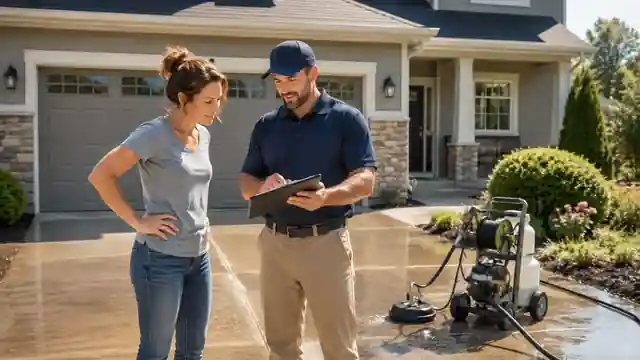
“Pressure washing the house” sounds like one service, but a house exterior is not one material. Vinyl siding, painted surfaces, brick, trim, soffits, and other exterior materials can sit on the same building. The right cleaning decision starts there.
That is why the surface matters more than the size of the machine.
A house is a collection of materials
Walk around a typical home and look closely. The siding may be vinyl. The front may include brick. Trim can be painted metal or wood. A porch ceiling may be another material entirely.
Those surfaces do not all respond the same way to water, cleaning products, or mechanical force. A method that is reasonable for a durable concrete driveway can be a poor choice for siding or a painted detail.
The house washing page starts with a simple request: tell us what the exterior is made of and what you see.
More pressure is not automatically more cleaning
People naturally associate pressure with power. If something is dirty, it seems logical that more force should clean it faster.
Exterior cleaning is more complicated than that. The goal is to remove unwanted material without damaging the surface underneath it. If pressure is increased beyond what a material should handle, the cleaning problem can turn into a repair problem.
Distance from the surface, water volume, the cleaning solution, time, and technique all matter. Pressure is only one variable.
That is why a company should not promise one universal method for every home.
Condition changes the decision too
Two homes with the same siding can still need different attention. One may have light surface dirt. Another may have staining below a gutter, buildup on a shaded side, loose paint nearby, or damaged trim.
Age matters. Previous repairs matter. A section that is already failing deserves different care from a sound surface.
You do not need to diagnose any of this before requesting a quote. Point out what you notice. “The north side is green near the bottom” or “the siding below the gutter is streaked” gives useful context.
Start with the problem you can see
Homeowners do not need to choose between technical terms before contacting a cleaning company. The broader pressure washing page is organized around the surfaces people actually see: house exteriors, driveways, sidewalks, and decks.
If the house is the problem, say that. Include the number of stories, the exterior material if you know it, and the areas that look worst.
Siding manufacturers publish care guidance for their own products, and it is a reasonable thing to read if you know what your walls are made of. James Hardie, for instance, publishes cleaning guidance for its fiber cement siding. If your material has published guidance, say so and the work stays inside it.
A few clear details are more useful than guessing at a cleaning method.
When you are ready, the quote form gives you space to describe the exterior in ordinary language. The method should be matched to the material and condition after the surface is understood, not chosen before anyone knows what they are looking at.
Look at where the buildup is, not just what color it is
Location can tell you a lot. A shaded side of a house may stay damp longer after rain or morning dew. The area below a gutter may show streaking that has a different cause from the light film on a broad siding panel. Lower sections near landscaping can collect soil splash that upper walls never see.
That does not mean the homeowner has to solve the mystery. It means a useful quote request should mention the pattern.
If one side is much worse than the others, say so. If the problem is only near the foundation, mention that. If you are seeing peeling paint, cracked trim, or another surface defect near the dirty area, include it before work is scheduled.
These details help separate a normal cleaning question from a condition that deserves extra caution.
Why the word “soft” can be confusing
You may hear the term “soft washing” used for exterior cleaning. In ordinary conversation, people often use it to mean a lower-pressure approach that relies more heavily on cleaning solution and dwell time.
The label by itself does not tell you exactly what will happen on your house. The important questions are still the same: what is the surface, what is on it, what condition is it in, and what approach is appropriate for that material?
That is more useful than choosing a service because one word sounds gentler than another.
Before the appointment
You do not need to prepare the house like a construction site, but it helps to point out anything that could affect access or expectations. Gates, pets, delicate items near the wall, loose exterior fixtures, or a section you already know is damaged are worth mentioning.
If a particular area is the reason you are calling, make sure it is part of the request rather than assuming it will be obvious.
Good exterior cleaning starts with a clear scope. The machine comes later.
Back to BlogPressure washing and surfaces